

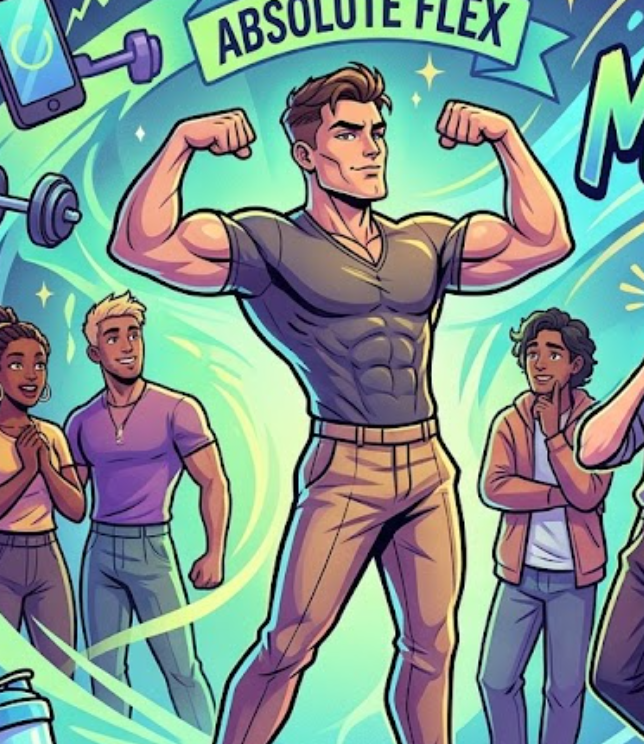
Imagine walking into a crowded room, feeling like a million bucks in your freshly pressed outfit, only for someone to glide past you who is somehow taller, broader, possessor of a more chiseled jawline, and effortlessly exuding the energy of a cinematic protagonist. Without saying a single word, they have diminished your presence entirely.
Congratulations, you’ve just been mogged.
If you have spent even a fraction of your free time scrolling through TikTok, Reels, or old-school fitness forums over the last few years, you’ve undoubtedly run into the mog meme. It’s the internet’s favorite way of capturing the brutal, hilarious, and sometimes painfully relatable reality of physical and aesthetic dominance. But where did this phenomenon come from, and why has it gripped the collective consciousness of Gen Z and Millennials alike? Grab your protein shaker and let’s dive into the fascinating world of mogging.
## Introduction
At its core, the mog meme is all about the unspoken hierarchies we create in our heads. Combining elements of looksmaxxing culture, fitness obsession, and a healthy dose of self-deprecating humor, it has evolved from a niche corner of the internet into a mainstream powerhouse. To truly understand it, we have to look past the surface-level vanity and explore how a simple piece of slang transformed into a massive cultural touchpoint.
The Genesis of the Mog: From Forum Folklore to Mainstream Mastery
To understand how a word like “mog” ended up in the everyday vocabulary of millions, we have to trace its steps back to the mid-2010s. Long before it was a viral sensation accompanied by slowed-down synthwave music, the term found its footing in online fitness and bodybuilding forums.
Decoding the Etymology
The word “mog” is actually an acronym born from the phrase “AMOG,” which stands for “Alpha Male Of the Group.”
- The Early Days: Initially popular in pickup artist subcultures and bodybuilding communities (like Bodybuilding.com’s infamous “Misc” section), an AMOG was the guy who naturally took control of a social situation, usually by overshadowing other men.
- The Verbification: Over time, the internet did what it does best—it shortened the acronym into a punchy, versatile verb. To “mog” someone meant to completely eclipse them in terms of physical appearance, height, posture, or overall aura.
Stepping into the spotlight, the term became a staple of fitness communities where gym-goers would post photos standing next to unsuspecting casual lifters, joking about how they totally “mogged” them.
The Legend of Zyzz: The Ultimate Blueprint
You can’t talk about the roots of fitness memes without tipping your hat to Aziz Shavershian, known globally as Zyzz. A skinny kid turned shredded icon, Zyzz pioneered the aesthetic bodybuilding movement in the early 2010s.
Though he passed away in 2011, his legacy laid the groundwork for the modern mog meme. His philosophy was simple: maximize your aesthetics, live life on your own terms, and leave no doubt about who owns the room. Decades later, his videos still serve as the ultimate inspiration for those looking to do the mogging rather than being the ones get mogged.
Anatomy of a Mog: The Science of Stealing the Spotlight
So, what actually constitutes a “mog”? Is it just about being bigger, or is there a more nuanced science to this internet phenomenon? Well, it turns out that being the ultimate center of attention requires a perfect storm of several different traits.
                  [ THE MOG TRINITY ]
                         /\
                        /  \
                       /    \
        [ Physicality ]------[ Aura & Confidence ]
                       \    /
                        \  /
                         \/
                  [ Style & Grooming ]
1. The Physical Framework (The Jawline and the Frame)
First things first, height is often king in the world of the mog meme. If you’re 6’4″ standing next to someone who is 5’8″, the meme dictates that you have automatically achieved height-mog status.
But it doesn’t stop there. The advent of “looksmaxxing” brought terms like canthal tilt (the slant of your eyes), hunter eyes, and a chiseled jawline into the mix. If your facial structure looks like it was sculpted by Michelangelo himself, you’re hitting the genetic jackpot of the aesthetic world.
2. The Power of Posture and Presence
Have you ever seen someone who wasn’t necessarily the tallest or the most muscular person in the room, yet they still managed to dominate the space? That’s where “aura” comes into play.
Slouching, looking down at your phone, and crossing your arms defensively? That is a one-way ticket to getting absolutely obliterated in a meme edit. Conversely, standing tall, pulling your shoulders back, and maintaining effortless eye contact is the easiest way to hold your ground.
3. Style and Scent: The Hidden Modifiers
Believe it or not, you can actually out-groom someone. This is known as “style mogging.”
- The Fit: A perfectly tailored suit will always triumph over a baggy, wrinkled t-shirt.
- The Grooming: A immaculate, sharp haircut and a well-maintained beard can instantly elevate your status.
- The Scent: Smelling like high-end luxury cologne while someone else smells like a high school locker room? Yeah, that’s an olfactory victory.
Why the Mog Meme Blew Up on TikTok
Let’s be real—the internet loves a good power dynamic. When the trend migrated to TikTok, it evolved from text-based forum banter into a highly visual, cinematic art form.
The Rise of the “Phonk” Soundtrack
If you’ve watched a single video about this trend, you already know the exact sound playing in the background. Heavy, distorted bass lines, fast-paced cowbell beats, and dark synthwave tracks (often referred to as Phonk music) became the official soundtrack of the movement.
The formula for a viral video is remarkably consistent:
- The Setup: Show an average person or a character looking regular, maybe a little defeated.
- The Shift: A sudden beat drop occurs.
- The Payoff: The frame cuts to a towering, incredibly shredded individual, or a character like Patrick Bateman from American Psycho or Chico Lachowski, staring intensely into the camera.
It’s dramatic, it’s over-the-top, and it is incredibly addictive to watch.
Mewing and the Silent Flex
One of the funniest offshoots of the craze is the integration of “mewing”—a tongue posture technique popularized by orthodontist Mike Mew that claims to define the jawline.
On TikTok, this turned into a massive challenge where creators would be asked a question, only to respond by putting a finger to their lips (signaling silence) and pointing to their jawline. By refusing to speak to maintain their perfect facial posture, they were effectively telling the audience, “I am too busy maintaining my peak aesthetic to engage with you.” It’s ridiculous, it’s satirical, and it perfectly captures the playful arrogance of the community.
The Psychology Behind Our Obsession with Dominance
Why are we so obsessed with this? Are we all just deeply insecure, or is there something more profound happening beneath the surface of these silly video edits?
The Comedy of Insecurity
At its heart, a lot of the humor comes from a place of vulnerability. By making a caricature out of social comparison, the internet allows us to laugh at our own insecurities. We’ve all had those moments where we felt completely outclassed by someone else’s sheer luck in the genetic lottery. By turning that experience into a cartoonish exaggeration, it robs the insecurity of its power. It’s a way of saying, “Hey, look how absurd it is that we constantly compare ourselves to these literal demigods.”
The Motivation Engine
On the flip side, for a lot of young men and women, the trend acts as a bizarre form of tough-love motivation. It encourages self-improvement. Wanting to dress better, hit the gym, fix your posture, and take care of your skin aren’t inherently bad things. In a roundabout way, the meme has inspired an entire generation to take pride in their personal presentation.
The Dark Side of the Mirror: When Memes Turn into Toxic Obsessions
While it’s easy to laugh at the ridiculous TikTok edits, it is worth pausing to acknowledge that this trend can sometimes veer into darker territory. When self-improvement morphs into an unhealthy obsession with unattainable perfection, things can get messy.
Body Dysmorphia in the Digital Age
The constant barrage of hyper-edited, perfectly lit, and filtered images can do a number on anyone’s mental health. When young people start unironically measuring the angles of their facial features or feeling genuinely depressed because they aren’t 6’3″, the fun stops and body dysmorphia creeps in. It’s crucial to remember that a lot of the “peak aesthetic” photos we see online are the result of professional lighting, dehydration tricks used by bodybuilders, and clever camera angles.
The Myth of the Alpha
The idea that human social structures are rigidly divided into “alphas” who dominate and “betas” who get stepped on is a massive oversimplification of human psychology. Real confidence isn’t about making sure everyone else in the room feels smaller than you; it’s about being comfortable enough in your own skin that you don’t feel the need to constantly measure up against others.
FAQs
What does “mogged” mean in slang?
In internet slang, being “mogged” means you have been completely outclassed or overshadowed by someone else in terms of physical appearance, height, style, or general presence. It comes from the acronym AMOG (Alpha Male Of the Group).
Is the mog meme serious or satirical?
It’s a mix of both. While it originated in very serious fitness and self-improvement subcultures, its mainstream explosion on platforms like TikTok is largely satirical. Most people use the term jokingly to laugh at their own everyday awkwardness or to make over-the-top, dramatic video edits.
What is “looksmaxxing”?
Looksmaxxing is the practice of maximizing one’s physical appearance through various means. This can range from basic grooming (cleansing your skin, getting a good haircut, dressing well) to extreme measures (strict dieting, intense bodybuilding, or cosmetic procedures).
Who is the face of the mog meme?
Several individuals are frequently featured in these memes, including iconic fitness figures like Zyzz, male supermodels like Chico Lachowski and Jordan Barrett, and fictional characters known for their intense, stoic personas, like Patrick Bateman from American Psycho.
Conclusion
Ultimately, the mog meme is a fascinating mirror held up to modern internet culture. It takes our deepest, most primal anxieties about status, attraction, and self-worth, and spins them into a hyper-stylized, hilously dramatic digital playground. Whether you view it as a harmless motivator to get you to hit the gym, a hilarious piece of TikTok satire, or a slightly concerning fixation on superficial traits, one thing is undeniable: it has completely reshaped how we talk about confidence and presence in the digital age.
So, the next time someone walks into the room and completely steals your thunder, don’t sweat it. Just smile, appreciate the artistry of the flex, and remember that everyone gets mogged eventually. After all, there’s always a bigger fish—or at least, someone with a slightly better jawline and a Phonk soundtrack playing in their head.

